
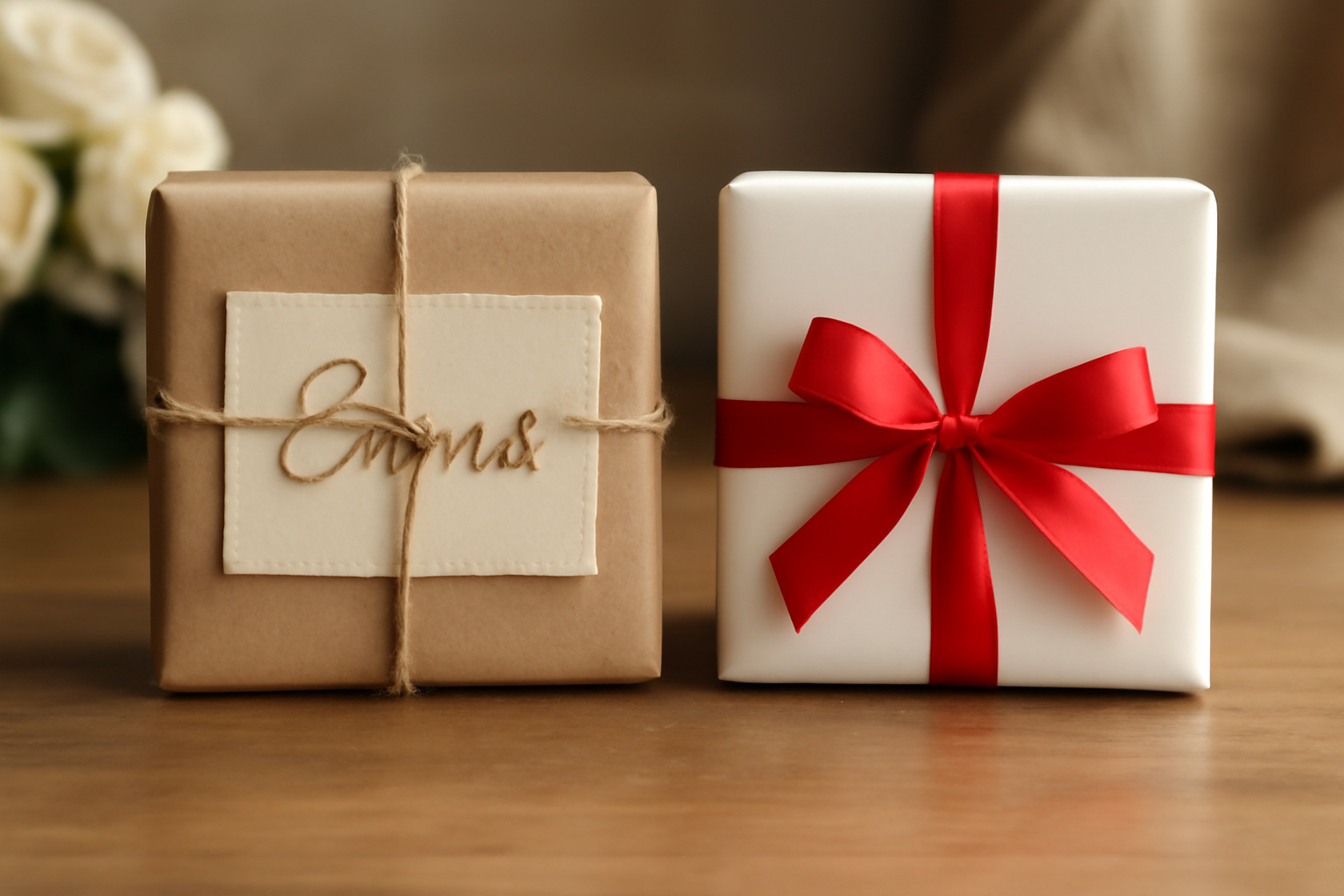
Gift-giving is an age-old tradition that can evoke emotions, strengthen bonds, and create lasting memories. However, when it comes to choosing between personalized gifts and traditional gifts, the decision can be tricky. Each option offers unique benefits and potential drawbacks, depending on the occasion and the recipient. choosing unique gifts.
This guide will break down the key differences between personalized gifts and traditional gifts. By understanding their merits, you can make an informed choice that resonates with the recipient and the occasion, whether it's Mother's Day or any other special event.
Table of Contents
Understanding Personalized Gifts
Personalized gifts are tailored specifically for the recipient, often incorporating their name, photo, or a special message. This customization adds a unique touch that can make the gift feel more special and meaningful. Unlike traditional gifts, which may be generic and mass-produced, personalized gifts reflect the thought and effort put into selecting something that resonates with the recipient's personality and interests.
Examples of Personalized Gifts
- A sentimental platter showcasing family names
- This elegant platter for cherished memories
- A meaningful garden platter for grandma
- This custom platter with grandchildren names
- Engraved jewelry with a special date or initials
- Custom photo books that capture shared moments
- Personalized mugs featuring inside jokes or meaningful quotes
- Embroidered blankets with family members' names
Advantages of Personalized Gifts
- Uniqueness: No two personalized gifts are the same, making them stand out. This uniqueness can be a great conversation starter and can often lead to cherished memories being shared.
- Emotional Connection: Tailored gifts often evoke nostalgia and sentimentality. For instance, a custom piece of wall art featuring a significant date can remind the recipient of a special moment in their life.
- Memorable: They are likely to be remembered long after the occasion. Personalized gifts often become keepsakes that recipients hold onto for years, making them a lasting reminder of the relationship and sentiment behind the gift.
- Thoughtfulness: Personalized gifts show that you took the time to think about the recipient's preferences, which can deepen your relationship.
- Customizable for Any Occasion: Whether for birthdays, anniversaries, graduations, or holidays, personalized gifts can be tailored to fit any celebration perfectly.
Challenges with Personalized Gifts
- Time-Consuming: Customization may require more time to create. It's essential to plan ahead to ensure that the gift arrives on time, especially during busy seasons like holidays.
- Potential for Mistakes: Names or dates can be misprinted, leading to disappointment. Always double-check spelling and details before finalizing an order to avoid these pitfalls.
- Higher Cost: Customization often comes at a premium price. Be prepared to budget accordingly, as personalized gifts can sometimes be more expensive than their generic counterparts.
- Limited Availability: Not all retailers offer personalized options, so it may take extra effort to find the right source for your gift.
- Subjectivity: What feels personal to one person may not resonate with another. It's vital to consider the recipient's taste and preferences when choosing a personalized item.
Tips for Choosing Personalized Gifts
- Know Your Recipient: Consider their hobbies, interests, and style. A personalized gift should reflect who they are.
- Set a Budget: Determine how much you're willing to spend before you start shopping to avoid overspending.
- Plan Ahead: Allow ample time for customization and shipping, especially if you're ordering from a small business.
- Check Reviews: Look for reputable sellers with positive feedback to ensure quality and reliability.
- Ask for Input: If you're unsure, don't hesitate to ask mutual friends or family for ideas on what the recipient might love.
Steps to Personalizing Your Gift
To ensure your personalized gift is truly special, follow these steps: avoiding gift errors.
- Brainstorm Ideas: Start by brainstorming ideas based on the recipient's interests. Think about their favorite colors, hobbies, and any inside jokes that could inspire a unique gift.
- Choose the Right Item: Select an item that can be personalized easily. For example, if you know they love coffee, a custom mug might be perfect. For a sentimental touch, consider a framed photo or a custom piece of art.
- Decide on the Personalization: Consider what kind of personalization will resonate most. This could be their name, a significant date, or a quote that holds meaning for both of you. Make sure it aligns with their personality.
- Find a Reliable Vendor: Research vendors that specialize in personalized gifts. Look for reviews and examples of their work to ensure quality. Don't hesitate to reach out to them with any questions about the customization process.
- Place Your Order: Once you've decided on the item and personalization, place your order. Keep an eye on deadlines, especially if you need the gift by a specific date.
- Wrap It Up: Presentation matters! Consider wrapping the gift in a way that enhances its personalized touch. Use special wrapping paper or include a handwritten note that explains the significance of the gift.
Common Mistakes to Avoid
- Rushing the Process: Don't wait until the last minute. Personalized gifts take time to create, so plan ahead to avoid any last-minute stress.
- Ignoring the Recipient's Preferences: Make sure the personalization reflects the recipient's style. Avoid choosing something that you think is cute but may not resonate with them.
- Overlooking Quality: Ensure that the quality of the item is up to par. A beautifully personalized gift loses its charm if the base item is subpar.
- Neglecting to Double-Check Details: Always review the personalization details before finalizing your order. A small typo can turn a thoughtful gift into a regrettable one.
- Forgetting About the Occasion: Tailor your gift to the specific occasion. A wedding gift might require a different approach than a birthday gift, so keep the context in mind.
Diving into Traditional Gifts
Traditional gifts refer to items commonly given on special occasions, such as flowers, chocolates, or gift cards. These gifts typically don't carry a personal touch or customization. While they might be convenient and readily available, they often lack the emotional connection that personalized gifts can offer. Understanding the role of traditional gifts can help you appreciate their place in gifting culture, even as we explore the unique charm of personalized options.
Examples of Traditional Gifts
- Chocolates or gourmet baskets
- Flowers or plants
- Gift cards to popular stores
- Books or bestsellers
- Perfumes or colognes
- Jewelry items like earrings or bracelets
- Home decor items like candles or picture frames
Advantages of Traditional Gifts
- Convenience: They are readily available and can be purchased last minute. You can find traditional gifts at supermarkets, convenience stores, or online retailers, making them easy to grab when you're short on time.
- Lower Cost: Generally, traditional gifts can be more affordable. You can find options in a wide price range, from budget-friendly items to more luxurious choices, catering to different budgets.
- Wide Variety: There's no shortage of options to choose from. Whether you're looking for something sweet, fragrant, or a simple token of appreciation, traditional gifts offer a plethora of choices to suit any occasion.
- Accessibility: Many traditional gifts can be easily found in local shops or online, making them accessible to everyone regardless of location.
Challenges with Traditional Gifts
- Lack of Personalization: They may not resonate as much with the recipient. A generic gift may not reflect the recipient's personality or interests, leading to a less meaningful exchange.
- Commonness: They can feel generic and lack uniqueness. With so many people giving similar gifts, they might not stand out in the recipient's memory.
- Less Memorable: These gifts might not leave a lasting impression. Unlike personalized gifts that tell a story or evoke special memories, traditional gifts can easily be forgotten.
- Misinterpretation: Some traditional gifts, like flowers or certain foods, may not be suitable for everyone due to allergies or personal preferences, leading to potential disappointment.
Checklist for Choosing Traditional Gifts
When selecting a traditional gift, consider the following checklist to ensure a thoughtful choice:
- Know the recipient's preferences and dislikes.
- Consider the occasion-different events call for different types of gifts.
- Set a budget before you start shopping to avoid overspending.
- Think about the timing-last-minute gifts may limit your options.
- Evaluate the presentation-packaging can enhance the appeal of traditional gifts.
Common Mistakes to Avoid with Traditional Gifts
- Not Personalizing Enough: Even within the realm of traditional gifts, adding a small personal touch, like a handwritten note, can make a difference.
- Ignoring Recipients' Needs: Failing to consider allergies or preferences can lead to awkward moments. Always keep the recipient in mind.
- Waiting Until the Last Minute: Rushing can lead to poor choices. Plan ahead to ensure you select something meaningful.
- Overlooking Presentation: A beautifully wrapped gift can elevate a simple item, so don't neglect how it looks.
Understanding the nuances of traditional gifts helps you navigate the world of gifting more effectively. While they may not carry the same weight as personalized gifts, they still hold value in their convenience and accessibility. By being mindful of the challenges and advantages, you can make informed choices that will delight your loved ones on special occasions.

Comparing the Two Options
To help visualize the differences between personalized and traditional gifts, here's a straightforward comparison table:
| Feature | Personalized Gifts | Traditional Gifts |
|---|---|---|
| Uniqueness | Highly unique | Common |
| Emotional Value | High | Moderate |
| Cost | Generally higher | More affordable |
| Availability | May require time to customize | Widely available |
| Lasting Impression | Very memorable | Less memorable |
Uniqueness
When it comes to gifts, uniqueness can make all the difference. Personalized gifts stand out because they are specifically designed for the recipient. This could mean anything from a custom engraving on a piece of jewelry to a photo book filled with shared memories. Traditional gifts, on the other hand, often lack this personal touch, leading to a more generic experience.
- Example of Personalized Gift: A custom-made mug with a family photo and a heartfelt message.
- Example of Traditional Gift: A standard coffee mug purchased from a store.
Emotional Value
Emotional value is crucial in gift-giving. Personalized gifts typically carry a deeper meaning and show that you've put thought into the gift. A personalized gift can evoke cherished memories and feelings, whereas traditional gifts might not have the same emotional weight. This is particularly important for milestone events like weddings, anniversaries, or graduations.
- Tip: Consider the recipient's interests and experiences when choosing a personalized gift to enhance its emotional value.
- Common Mistake: Failing to consider how the personalization reflects the recipient's personality or preferences.
Cost
Cost is often a deciding factor when choosing between personalized and traditional gifts. While personalized gifts can be more expensive due to the custom design process, they often provide greater value in terms of emotional impact. Traditional gifts tend to be more budget-friendly, making them easier to purchase in bulk or for larger gatherings.
- Budgeting Tip: Set a budget and compare the costs of personalized gifts from different vendors to find the best deal.
- Example: A customized blanket might cost $50, while a standard blanket could be found for $20.
Availability
Availability can also influence your decision. Personalized gifts often require additional time for customization, which can be a drawback if you're in a rush. Traditional gifts, however, are typically available for immediate purchase in stores or online, making them a convenient option for last-minute shoppers.
- Planning Tip: If choosing a personalized gift, order well in advance to avoid delays, especially during busy holiday seasons.
- Common Mistake: Underestimating the time needed for customization and ending up with a late gift.
Lasting Impression
Finally, the lasting impression a gift leaves can often determine its effectiveness. Personalized gifts tend to create lasting memories that the recipient will cherish for years. Traditional gifts may be appreciated but often don't evoke the same level of sentimentality. A personalized gift can become a treasured keepsake, while traditional gifts might end up in a closet.
- Example of a Lasting Impression: A custom piece of wall art featuring a family quote can be displayed proudly in the home.
- Tip: Think about how the gift will be used or displayed in the recipient's life to ensure it makes a lasting impact.
Which Option Fits You?
Deciding between personalized and traditional gifts largely depends on the recipient and the occasion. Here are some scenarios to consider:
When to Choose Personalized Gifts
- Special Milestones: Birthdays, anniversaries, or graduations. Personalized gifts for these occasions can include custom engraved jewelry, photo books, or bespoke artwork that highlights the recipient's journey or achievements.
- Intimate Relationships: Gifts for close friends or family members. Consider personalized items like monogrammed towels, custom family portraits, or even a unique piece of home decor that reflects shared experiences or inside jokes.
- Sentimental Occasions: Holidays like Mother's Day where emotional resonance is key. A personalized gift could be a custom recipe book filled with family recipes or a heartfelt message on a piece of wall art. These gifts show thoughtfulness and a deep understanding of the recipient's values.
When to Opt for Traditional Gifts
- Last-Minute Purchases: When time is short and you need something quickly. In these situations, classic gifts such as gift cards, flowers, or a nice bottle of wine can save the day without the stress of personalization.
- General Celebrations: Events like office parties or casual gatherings. Traditional gifts like a box of chocolates, a nice plant, or a festive bottle of bubbly can be appropriate and appreciated without needing to delve into personal details.
- Budget Constraints: When you need to stick to a tighter budget. Traditional gifts can often be more affordable, such as a well-chosen book, a cozy blanket, or a simple candle. These options can still convey thoughtfulness without breaking the bank.
Checklist for Choosing the Right Gift
To help you decide between personalized and traditional gifts, consider the following checklist:
- Know Your Recipient: What are their interests and preferences? A personalized gift works best for someone who values sentimentality.
- Evaluate the Occasion: Is it a special milestone or a casual gathering? Milestones call for more thoughtful gifts.
- Time Constraints: Do you have enough time to personalize a gift? If not, a traditional option may be the way to go.
- Budget: Are you able to splurge on a custom item, or do you need to stick to a budget? Traditional gifts often provide more flexibility.
- Emotional Impact: Will a personalized gift create a lasting memory? If emotional resonance is important, lean towards personalization.
Common Mistakes to Avoid
When choosing between personalized and traditional gifts, be mindful of these common pitfalls:
- Overlooking the Recipient's Taste: Just because you love something personalized doesn't mean the recipient will. Always consider their style and preferences.
- Waiting Until the Last Minute: Personalized gifts often require time for creation. Don't wait until the day before the event to decide!
- Ignoring the Occasion: A traditional gift might be more suitable for a casual event, while a personalized gift could be over the top for a simple office gathering.
- Neglecting Practicality: Ensure that your gift, whether personalized or traditional, is something the recipient can use or appreciate. A personalized gift that sits on a shelf gathering dust defeats the purpose.
Ultimately, the choice between personalized and traditional gifts hinges on understanding the recipient's preferences, the nature of the occasion, and your own constraints. By weighing these factors carefully, you can select a gift that will truly resonate and create lasting memories.
Conclusion
Choosing between personalized gifts and traditional gifts doesn't have to be a dilemma. By assessing the occasion, the relationship with the recipient, and the emotional value you wish to convey, you can make a thoughtful decision. For those looking to impress and create lasting memories, personalized gifts often shine. Meanwhile, traditional gifts offer a practical, no-fuss option when time or budget is a concern. Now, go forth and choose wisely-your next gift might just be the most memorable one yet!
Key Takeaways
- Know Your Recipient: Understanding the tastes and preferences of the person you're gifting can guide you toward the right choice. Personalized gifts can reflect their personality or interests, while traditional gifts should align with their needs or hobbies.
- Consider the Occasion: Some events call for personalized gifts, such as anniversaries or graduations, where a custom touch can elevate the significance. In contrast, holidays or corporate events might be better suited for traditional gifts that are universally appreciated.
- Budget Matters: Personalized gifts can sometimes come at a premium, so it's important to weigh your budget against the impact you want to make. Traditional gifts might offer more flexibility if you're watching your spending.
- Emotional Value: Personalized gifts often carry more sentimental value, making them ideal for close relationships. Traditional gifts can still be meaningful but may lack that unique touch.
Practical Steps for Choosing the Right Gift
- List the Recipient's Interests: Take a moment to jot down what the person enjoys. This can help you narrow down options for both personalized and traditional gifts.
- Set a Budget: Determine how much you're willing to spend. This will help you filter your choices and avoid overspending.
- Assess the Occasion: Think about the event. A birthday might call for something fun and personal, while a professional milestone might be better suited for a classic gift.
- Research Options: Look into various personalized gift providers and traditional gift retailers. Compare items based on quality, delivery time, and customer reviews.
- Make a Decision: Based on your findings, weigh the pros and cons of each option. Trust your instincts about what will be more appreciated by the recipient.
Common Mistakes to Avoid
- Overthinking the Personalization: Sometimes, less is more. A simple, heartfelt message can be more impactful than an overly complicated design.
- Ignoring Delivery Times: Especially with personalized gifts, ensure you account for production and shipping times. Last-minute rushes can lead to disappointment.
- Choosing Generic Options: Avoid selecting personalized items that don't truly reflect the recipient. Make sure it feels unique to them.
- Neglecting the Presentation: Whether personalized or traditional, how you present the gift matters. Take the time to wrap it nicely or include a thoughtful card.
Ultimately, the best gift is one that resonates with the recipient and reflects your thoughtfulness. Whether you opt for a personalized gift that tells a story or a traditional gift that meets practical needs, your intention will shine through. So, get out there and pick something that will create joy and lasting memories! Remember, it's the thought that counts, but a little creativity never hurts either!


