
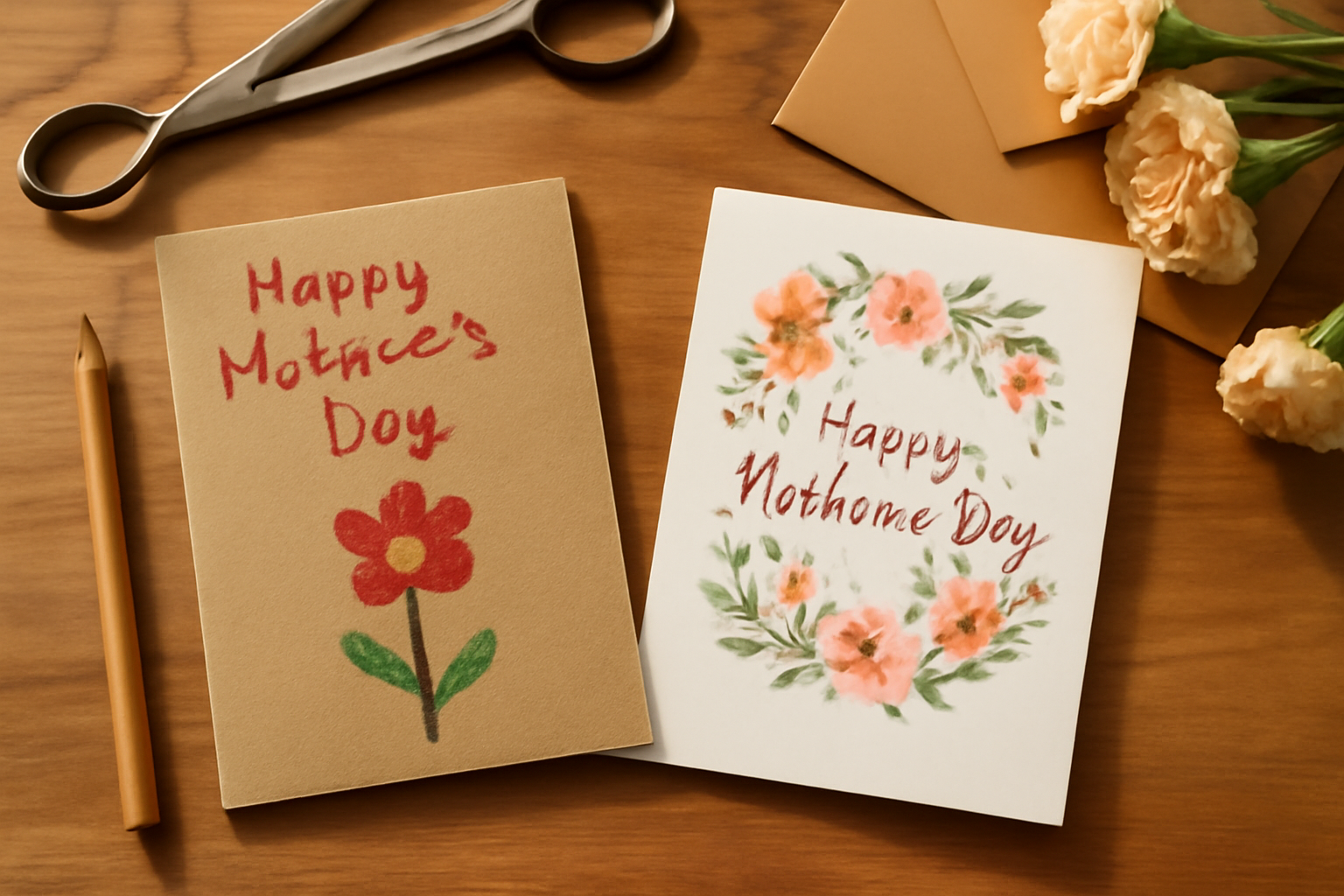
Mother's Day is the perfect occasion to show appreciation for the wonderful mothers in our lives. When it comes to expressing these heartfelt sentiments, the choice between handmade Mother's Day cards and store-bought options often arises. Each option has its own unique charm, and knowing which one to choose can make all the difference.
This comparison will explore the trade-offs, benefits, and limitations of both handmade and store-bought Mother's Day cards. By the end, you'll have a clearer idea of which option fits your needs best, whether you're a crafty creator or someone who appreciates convenience.
Table of Contents
Understanding Handmade Mother's Day Cards
Handmade Mother's Day cards are typically crafted by individuals who pour their creativity and personal touch into each card. This approach allows for unique designs and personalized messages, making these cards special keepsakes. They can convey heartfelt sentiments that store-bought cards often lack, providing a deeper connection between the giver and the recipient. The Ultimate Guide to Mother's Day Cards and Messages.
Pros of Handmade Cards
- Personal Touch: Handmade cards can be customized with personalized Mother's Day messages that reflect your relationship with your mom. You can include inside jokes, favorite memories, or even a heartfelt poem that resonates with your unique bond.
- Creativity: You can express your artistic side, creating a card that is truly one-of-a-kind. Experiment with different materials like colored paper, fabric, or even natural elements like pressed flowers to add texture and depth to your design.
- Sentimental Value: A handmade card often carries more emotional weight, making it a cherished memento. The effort and thought put into crafting the card can be a reminder of your love and appreciation, making it something your mom will want to keep forever.
- Unique Designs: Unlike mass-produced cards, your handmade creation can include specific themes or colors that your mom loves. For example, if she adores a particular flower or color, you can incorporate that into the design, making it even more special.
- Learning Experience: Crafting a card can be a fun and rewarding experience. It can help you develop new skills, whether it's drawing, painting, or even calligraphy, which you can apply to future projects.
Cons of Handmade Cards
- Time-Consuming: Creating your own card can take a significant amount of time, especially if you're not particularly crafty. To avoid last-minute stress, set aside dedicated time to work on your card, perhaps a few days in advance of Mother's Day.
- Skill Level: Not everyone feels confident in their artistic abilities, which may lead to frustration. If you're worried about your skills, consider starting with simple designs or templates that can guide you through the process.
- Material Costs: While you can use materials you already have, buying supplies can add up. Make a checklist of what you need before you shop, and consider using recycled materials or items you already own to keep costs down.
- Potential for Imperfection: Handmade cards may not always turn out as envisioned, which can be disheartening. Embrace the imperfections as part of the charm of handmade items; they add character and authenticity.
- Storage and Preservation: Handmade cards can be delicate and may require special care to preserve. Consider using protective sleeves or storing them in a safe place to prevent damage.
Tips for Creating the Perfect Handmade Mother's Day Card
- Plan Your Design: Before you start, sketch out your ideas on paper. This will help you visualize the final product and make the crafting process smoother.
- Gather Materials: Collect all the necessary materials, such as cardstock, markers, glue, scissors, and decorative items like stickers or ribbons. Having everything ready will streamline your crafting session.
- Choose the Right Message: Think about what you want to say. A heartfelt message can make all the difference. Consider writing a draft of your message before you write it in the card to avoid mistakes.
- Take Your Time: Don't rush the process. Enjoy the act of creating. If you make a mistake, don't panic; sometimes, those mistakes can lead to unique and unexpected designs.
- Involve the Family: If you have children, involve them in the card-making process. It can be a fun family activity and allows for more shared memories while crafting.
Common Mistakes to Avoid
- Neglecting the Envelope: Don't forget to decorate the envelope! A matching envelope adds a special touch to your card.
- Overcomplicating the Design: Simplicity can often be more impactful. Don't feel pressured to create an elaborate design; sometimes, less is more.
- Forgetting to Sign: Always remember to sign your card! A simple signature or a closing line can add a personal touch that makes the card feel complete.
- Ignoring the Recipient's Taste: Tailor your design to your mom's preferences. If she prefers elegance over whimsy, adjust your design accordingly.
Creating a handmade Mother's Day card can be a fulfilling experience that combines creativity with personal expression. While there are challenges, the rewards of crafting something unique and heartfelt far outweigh the cons. Embrace the process, and your mom will surely cherish the effort you put into her special card. creative card wording.
Exploring Store-Bought Mother's Day Cards
Store-bought Mother's Day cards are pre-designed and ready for purchase at a variety of price points. They come in countless styles, from humorous to heartfelt, making it easy to find something that suits your mom's personality. Whether you're rushing through a grocery store or browsing a specialty card shop, the options are nearly endless, which can be both a blessing and a curse.
Pros of Store-Bought Cards
- Convenience: Store-bought cards can be purchased quickly, making them ideal for last-minute shoppers. You can grab one while picking up groceries or during your lunch break, saving you time and effort.
- Variety: The selection is vast, allowing you to find a design that perfectly matches your mom's taste. From floral patterns to minimalist designs, there's something for every personality. For example, if your mom loves cats, you can easily find a card featuring adorable feline illustrations.
- Professional Quality: These cards often feature high-quality printing and materials that can be visually appealing. Many cards are made with thick cardstock, vibrant colors, and even embellishments like glitter or foil, ensuring they look great when presented.
- Affordability: Store-bought cards are available at various price points, making it easy to find one that fits your budget. You can find beautiful options for as little as a dollar or two, or splurge on a premium card for a special touch.
- Accessibility: With stores stocking cards year-round, you're likely to find something suitable regardless of when you shop. This accessibility means you won't have to worry about running out of options as Mother's Day approaches.
Cons of Store-Bought Cards
- Lack of Personalization: While you can write a message inside, the card itself may feel less personal than a handmade option. Many people find that a generic card doesn't convey the unique relationship they share with their mom.
- Generic Designs: Many designs may be similar, and it can be challenging to find one that feels unique. You may end up choosing a card that someone else has already given your mom in the past, which can make it feel less special.
- Environmental Impact: Mass-produced cards may not be eco-friendly, depending on the materials used. If your mom is environmentally conscious, consider looking for cards made from recycled materials or those that promote sustainability.
- Limited Customization: Although you can add a personal message, the overall design is fixed. Some stores offer the option to add a name or a small message on the front, but this is often limited to certain styles and can come at an additional cost.
- Quality Control Issues: While many cards are of high quality, some can be poorly made, with printing errors or flimsy materials. It's essential to inspect the card before purchasing to ensure it meets your standards.
Tips for Choosing the Right Store-Bought Card
- Consider Her Interests: Think about what your mom enjoys. Does she love gardening? Look for cards with floral designs. Is she a coffee aficionado? Find a card that features a cute coffee cup.
- Read the Message: Take the time to read the card's message. Some cards may have sentiments that don't resonate with your relationship, so find one that feels genuine and heartfelt.
- Check for Quality: Look for cards that are made from sturdy materials and have vibrant colors. A card that looks and feels good is more likely to be cherished.
- Don't Rush: Even if you're in a hurry, take a moment to browse through the options. The perfect card might be hiding among the less appealing ones.
- Pair with a Gift: If you're worried about the card feeling impersonal, consider pairing it with a thoughtful gift. A nice bouquet of flowers or a personalized item from CucamongaInk can elevate the overall gift-giving experience.
Common Mistakes to Avoid
- Buying the First Card You See: It's easy to grab the first card that catches your eye, but take the time to compare a few options to find the best one.
- Overlooking the Envelope: Don't forget to check that the card comes with a nice envelope. A plain or torn envelope can detract from the card's overall presentation.
- Ignoring the Size: Make sure the card is an appropriate size for your message. A small card might not have enough space for a heartfelt note, while a large card might feel overwhelming.
- Forgetting to Sign It: This may seem obvious, but always remember to sign the card! A personal touch at the end can make all the difference.
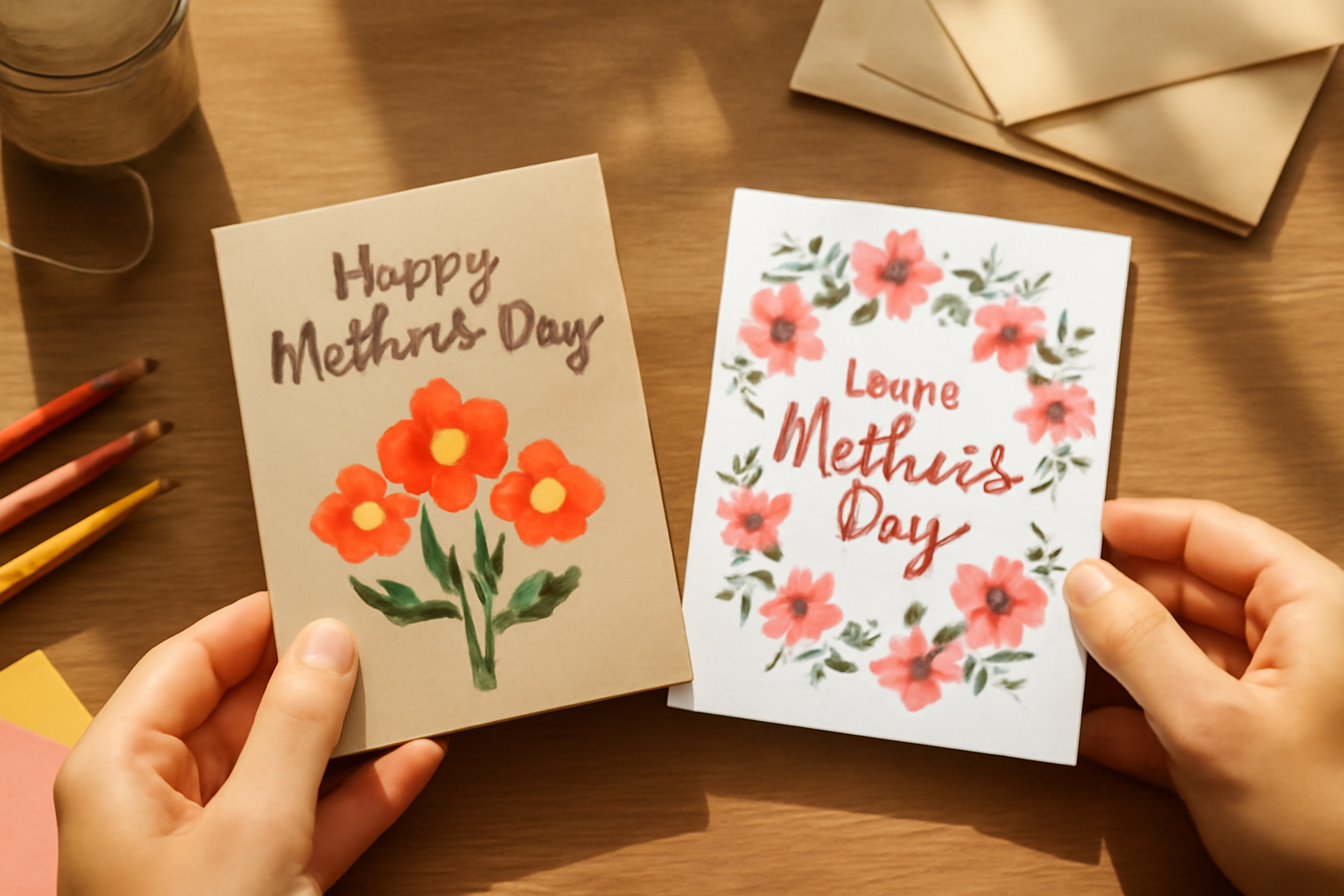
Comparing the Two Options
| Feature | Handmade Cards | Store-Bought Cards |
|---|---|---|
| Personalization | High | Medium |
| Time Commitment | High | Low |
| Cost | Varies | Varies |
| Emotional Value | High | Medium |
| Quality | Depends on skill | Generally high |
Personalization
Handmade cards offer a level of personalization that store-bought cards simply can't match. When you create a card from scratch, you can tailor every element to reflect the recipient's personality and interests. Here are some ways to personalize your handmade cards: - **Use Unique Materials**: Incorporate materials that are meaningful to the recipient, such as fabric from a favorite shirt or paper that matches their favorite color. - **Add a Personal Message**: Write a heartfelt note that expresses your feelings. This could be a poem, a quote, or a simple "I love you" that resonates with your relationship. - **Include Photos**: Attach a photo of a cherished memory or a recent family gathering. This adds a nostalgic touch that store-bought cards lack. On the other hand, store-bought cards can offer some degree of personalization, such as pre-printed messages and the option to add a name or a short message. However, the emotional weight of a store-bought card often pales in comparison to a handmade one.Time Commitment
Creating a handmade card can be a time-consuming endeavor. Here's a breakdown of what you might expect: - **Planning**: Spend time brainstorming ideas and deciding on a design. This could take anywhere from a few minutes to a couple of hours. - **Gathering Materials**: Collecting the necessary supplies like paper, scissors, glue, and decorative items can also take time, especially if you want to make something truly unique. - **Crafting**: Depending on your skill level and the complexity of the design, crafting the card might take anywhere from 30 minutes to several hours. In contrast, store-bought cards are a quick solution. You can simply pop into a store, browse through the options, and select one that resonates with you. This can typically be done in under 15 minutes, making it a convenient choice for last-minute gift-giving.Cost
The cost of handmade cards can vary widely based on the materials used. Here are some factors to consider: - **Basic Supplies**: If you already have some materials at home, the cost can be minimal. However, if you need to purchase specialty items, the price can increase. - **Time is Money**: Consider the value of your time. If you spend several hours creating a card, factor in that time as part of the overall cost. Store-bought cards also vary in price, typically ranging from $2 to $10 or more, depending on the brand and quality. High-end cards may feature intricate designs or premium materials, while budget options may be simpler.Emotional Value
The emotional value of a card is often tied to the effort put into it. Handmade cards tend to carry more sentimental weight because they reflect the time and thought invested in creating something special. Here's how to enhance emotional value: - **Incorporate Inside Jokes**: Reference shared experiences or jokes that only you and the recipient would understand, adding a personal touch that makes the card more meaningful. - **Use Meaningful Symbols**: Include symbols or designs that have significance to your relationship, such as a heart, a favorite flower, or even a doodle that represents a fun memory. Store-bought cards can still convey emotion, particularly if they feature heartfelt messages. However, the generic nature of many store-bought options often makes them feel less personal.Quality
Quality can be subjective and depends on your crafting skills for handmade cards. Here are some considerations: - **Skill Level**: If you're a novice, your first few cards may not turn out as well as you hope. Practice makes perfect, so don't be discouraged by initial attempts. - **Materials**: High-quality materials can elevate the overall look and feel of your card. Invest in good paper and tools to improve the final product. Store-bought cards generally maintain a consistent level of quality, especially from well-known brands. They often feature professional designs and high-quality printing, ensuring a polished appearance.Common Mistakes to Avoid
When comparing handmade and store-bought cards, it's essential to be aware of potential pitfalls: - **Rushing the Process**: If you decide to make a handmade card, don't rush through it. Take your time to ensure it reflects your feelings accurately. - **Ignoring the Recipient's Taste**: Always consider what the recipient would appreciate. A card that you think is beautiful may not resonate with them. - **Underestimating Time and Cost**: Be realistic about how much time and money you're willing to invest. Sometimes, a store-bought card can be a more practical solution. In conclusion, both handmade and store-bought cards have their merits and drawbacks. The choice ultimately depends on your priorities-whether it's personalization, time constraints, budget, emotional value, or quality.Which Option Fits You?
Choosing between handmade and store-bought Mother's Day cards largely depends on your circumstances and preferences. Here are a few scenarios to consider:
When to Choose Handmade Cards
- If you enjoy crafting and have the time to create something special.
- If you want to include personalized Mother's Day messages and designs that reflect your shared memories.
- If you aim to give a gift that will be cherished and hold sentimental value.
Handmade cards can be a wonderful way to express your creativity and affection. Here are some practical steps and tips to help you decide if this option is right for you:
- Assess Your Crafting Skills: If you have a knack for arts and crafts, this is a great opportunity to showcase your talents. However, if you're not confident in your skills, consider watching some online tutorials to boost your confidence.
- Plan Your Design: Think about what your mom loves. Does she have a favorite flower, color, or quote? Sketch out a few ideas before you start crafting to ensure you have a clear vision.
- Gather Materials: Collect everything you need-paper, scissors, glue, markers, and any decorative elements like stickers or ribbons. Having all your supplies ready will make the process smoother.
- Set Aside Time: Make sure you allocate enough time to create your card without rushing. A well-thought-out card will be more meaningful than one you hurriedly put together.
- Include a Personal Touch: Write a heartfelt message inside. Share a memory or express your gratitude. This personal touch is what makes handmade cards truly special.
Common mistakes to avoid when making handmade cards include:
- Rushing the process-take your time to create something beautiful.
- Using too many embellishments-sometimes less is more.
- Not proofreading your message-spelling errors can detract from the sentiment.
When to Choose Store-Bought Cards
- If you're short on time and need a card quickly.
- If you prefer the convenience of browsing a wide selection without the need for crafting skills.
- If you want to find a specific theme or style that might be hard to replicate by hand.
Store-bought cards offer a range of options that can fit any occasion or sentiment. Here are some things to consider when opting for this route:
- Explore Different Retailers: Visit local shops, supermarkets, or online stores to find a variety of cards. Each place may have unique selections that cater to different tastes and styles.
- Look for Personalization Options: Some stores offer customization services where you can add your own message or even photos. This can give a personal touch to a store-bought card.
- Consider the Message: Read through different cards to find one that resonates with your feelings. A card that perfectly captures your sentiments can still have a significant impact.
- Check for Quality: Look for cards made with quality materials. A flimsy card may not convey the same level of care as a sturdier option.
However, there are some pitfalls to avoid when selecting store-bought cards:
- Choosing a card that feels generic-try to find one that feels personal to your relationship.
- Overlooking the price-compare prices to ensure you're getting good value for your money.
- Forgetting to sign the card-always add a personal note to complement the pre-written message.
Ultimately, whether you choose a handmade card or a store-bought one, the thought and effort you put into it will be what truly matters. Consider your mom's personality and preferences to make the best choice for her special day.
Conclusion
Ultimately, whether you choose handmade or store-bought Mother's Day cards, the most important factor is the sentiment behind your choice. Consider your relationship with your mom, the message you want to convey, and your own skills and time constraints. Whatever you decide, make sure to include meaningful messages for mothers that come from the heart.
Reflect on Your Relationship
Before making a decision, take a moment to reflect on your relationship with your mom. Ask yourself the following questions:
- What are some shared memories that could inspire your message?
- Does your mom appreciate creativity and effort, or does she prefer convenience?
- How does she typically respond to gifts? Is she more sentimental or practical?
Understanding your mom's preferences can guide you in choosing the right card style. For instance, if your mom loves personal touches, a handmade card might resonate more with her than a store-bought one.
Crafting Your Message
Regardless of the type of card you choose, the message is what truly counts. Here are some tips for crafting a heartfelt message:
- Be Specific: Mention specific memories or qualities you adore about her. For example, "Mom, I will always cherish our Sunday baking sessions." This adds a personal touch that store-bought cards often lack.
- Express Gratitude: Thank her for her love and support. A simple "Thank you for always being my rock" can mean the world.
- Use Humor: If your mom has a good sense of humor, don't hesitate to include a funny anecdote or light-hearted joke. This can make your card memorable and enjoyable.
Checklist for Handmade Cards
If you decide to go the handmade route, here's a quick checklist to ensure you have everything you need:
- Cardstock or thick paper
- Art supplies (markers, colored pencils, stickers, etc.)
- Glue or double-sided tape
- Scissors
- Envelopes
- A quiet space to work without distractions
Set aside enough time to create your card without rushing. A well-thought-out handmade card can be a cherished keepsake.
Avoiding Common Mistakes
While creating or purchasing a Mother's Day card, be mindful of these common pitfalls:
- Procrastination: Don't wait until the last minute! Whether crafting or shopping, give yourself ample time to ensure quality.
- Generic Messages: Avoid using cliché phrases that don't resonate. Personalize your message to make it unique.
- Neglecting Presentation: If you're making a handmade card, pay attention to presentation. Neatness counts! A well-presented card reflects the effort you put into it.
Final Thoughts
No matter which option you choose, the key is to express your love and appreciation. A thoughtful card can brighten your mom's day and strengthen your bond. So, take the time to choose or create something that speaks to her heart. Happy Mother's Day!


