
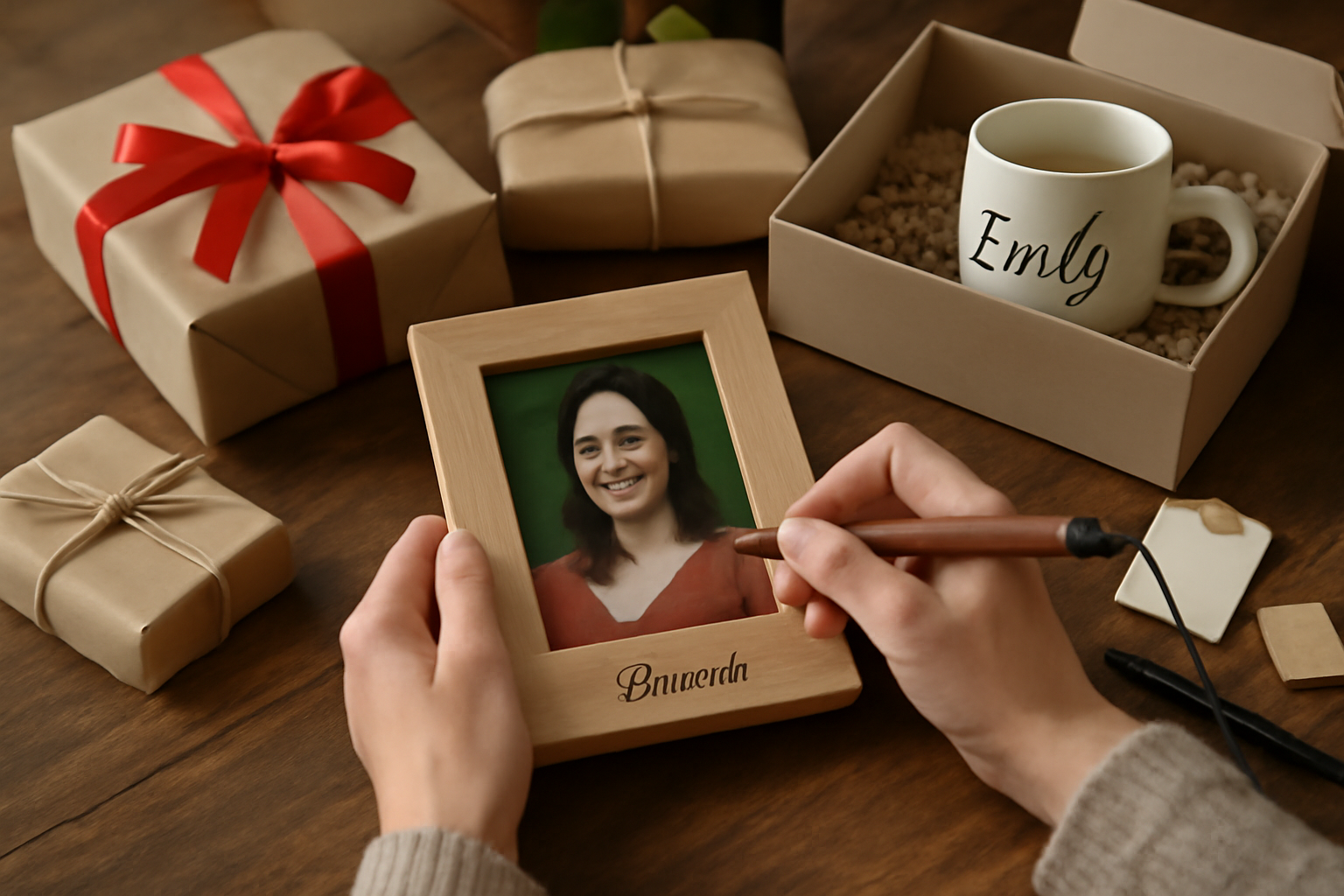
Finding the perfect gift is a daunting task, especially when you want it to feel personal and special. Personalizing gifts can turn a simple present into a cherished memory, and with a few easy steps, you can create something truly unique. This guide will walk you through how to personalize gifts effectively, ensuring your thoughtful gesture leaves a lasting impression.
Whether you're shopping for Mother's Day, a birthday, or just because, personalizing gifts adds a special touch that shows you care. From custom messages to selecting unique designs, let's dive into the nitty-gritty of making your gifts memorable.
Table of Contents
Step 1: Understand the Recipient
The first step in personalizing a gift is understanding who you're giving it to. Consider their interests, hobbies, and personality. A gift that reflects their tastes is more likely to resonate with them. The Ultimate Guide to Personalized Gifts: Making Every Occasion Special.
Tips for Understanding Your Recipient
- Think about their favorite colors, patterns, and styles.
- Consider their hobbies: Do they love gardening, cooking, or reading?
- Reflect on shared memories or inside jokes that can inspire your personalization.
Steps to Gather Information
- Observe: Pay attention to what they talk about or show enthusiasm for. If they frequently mention a particular author or a favorite dish, make a note of it.
- Ask Subtle Questions: Engage in casual conversations that can reveal their preferences. For instance, asking about their recent hobbies or favorite activities can provide insights.
- Consult Mutual Friends: If you're unsure, reach out to friends or family members who know the recipient well. They might provide valuable information that can guide your gift selection.
Creating a Recipient Profile
Once you've gathered enough information, create a simple profile for your recipient. This doesn't have to be formal-just jot down key points that can guide your gift choice. Here's how to structure it: choosing gifts for friends.
- Name: The recipient's name.
- Age: Their age can influence what gifts might be appropriate.
- Interests: List hobbies, favorite activities, and any specific likes.
- Personality Traits: Are they adventurous, sentimental, or practical? This can help you choose gifts that match their character.
- Past Gifts: Note any previous gifts you've given them and their reactions to help avoid repetition.
Common Mistakes to Avoid
- Assuming Preferences: Don't assume you know what they like based on stereotypes. Always double-check.
- Ignoring Changes: People evolve, and so do their interests. Ensure the information is current.
- Overlooking Practicality: While personalization is key, the gift should also be practical for the recipient's lifestyle.
Examples of Personalized Gifts Based on Recipient Profiles
Here are a few examples of how understanding your recipient can lead to effective personalization:
- For the Cooking Enthusiast: If your friend loves to cook, consider a personalized apron with their name and a funny cooking quote. Pair it with a unique cookbook that reflects their culinary interests.
- For the Bookworm: A custom book embosser with their name can make a thoughtful gift, along with a selection of novels in their favorite genre.
- For the Gardener: Personalized garden tools engraved with their initials can add a special touch to their gardening routine.
By taking the time to thoroughly understand your recipient, you lay the groundwork for a truly personalized gift that will not only surprise them but also show how much you care. A well-thought-out gift speaks volumes and creates lasting memories, making all your efforts worthwhile.
Step 2: Choose the Right Type of Gift
Next, you need to decide what kind of gift to personalize. There are many options available, from clothing to home décor. Here are some popular categories:
- Clothing: Personalized apparel like T-shirts or hoodies can feature names or custom messages.
- Kitchenware: Items like mugs, cutting boards, or platters can be personalized with heartfelt messages or family names.
- Wall Art: Custom prints or canvases can display meaningful quotes or family photos.
- Jewelry: Personalized jewelry can include initials, names, or special dates.
For example, a heartfelt keepsake platter with the grandchildren names platter can be a thoughtful gift for Grandma.
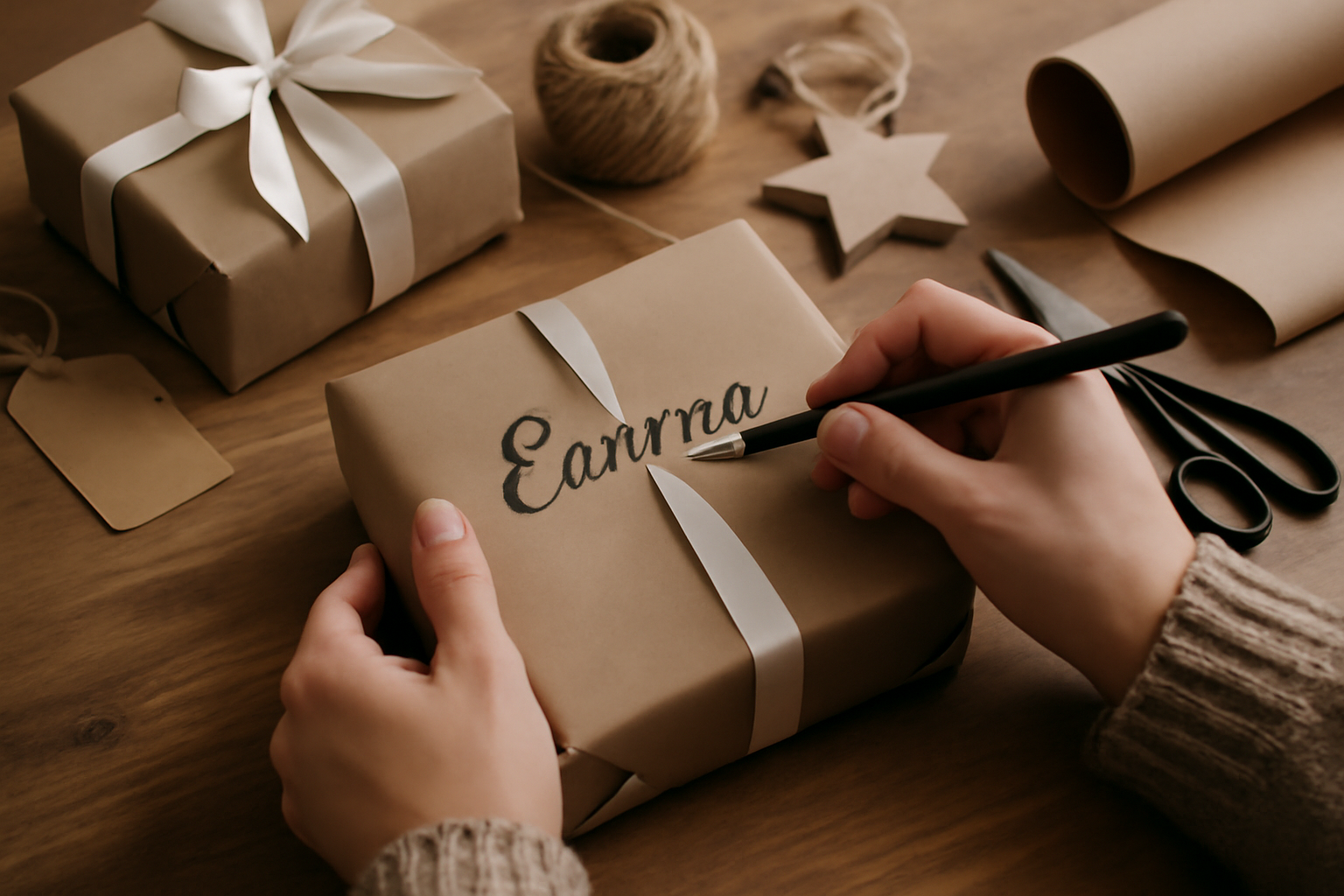
Step 3: Incorporate Personal Elements
Now comes the fun part-adding personal elements to your gift! This can include:
- Names: Incorporate the recipient's name or initials for a personal touch. This can be done through embroidery, engraving, or printing. For example, a custom mug with "Sarah's Coffee" can make her morning brew feel extra special.
- Dates: Important dates can make the gift more meaningful, such as anniversaries or birthdays. Consider including the date of a significant event, like "Established 2023" on a family recipe book or a wedding date on a personalized cutting board.
- Quotes: Use quotes that resonate with the recipient or relate to your relationship. A heartfelt message like "Home is wherever I'm with you" on a wall art piece can transform a simple gift into a cherished keepsake.
For instance, a Personalized Nanna's Garden sign featuring a special quote about family can be a lovely touch for a gardening enthusiast. But let's delve deeper into how you can effectively incorporate these elements:
1. Choosing the Right Name or Initials
When personalizing with names, consider the following:
- Use full names for formal gifts, like a monogrammed towel set.
- Initials work well for casual items, such as a keychain or a tote bag.
- Think about nicknames for a more playful approach, especially for close friends or family.
Remember, the name should be legible and aesthetically pleasing on the item. Always double-check the spelling before finalizing your design!
2. Selecting Meaningful Dates
Incorporating dates can add a sentimental touch to your gift. Here are some tips:
- Choose significant dates that hold meaning for the recipient, like a wedding anniversary or the birth of a child.
- Consider using a special format, such as "Since 2015" or "Est. 2020," to highlight the importance of the date.
- For a playful twist, you might include the date of a memorable trip or event that you both shared.
For example, a personalized calendar featuring photos from family vacations along with important family dates can be both practical and heartfelt.
3. Crafting the Perfect Quote
Quotes can speak volumes, so choosing the right one is crucial. Here's how to do it:
- Identify quotes that resonate with the recipient's personality or passions. A quote about adventure would suit a travel lover, while one about family could be perfect for a homebody.
- Make it personal by adding a note about why that quote is meaningful to your relationship. For example, "You are my sunshine" could be followed by "Because you've always brightened my days."
- Keep it concise. A short, impactful quote will be easier to read and more memorable.
Consider using a beautiful font or typography style to enhance the visual appeal of the quote on the gift. For instance, a framed print with a beloved quote in elegant script can be a stunning addition to any home.
4. Examples of Personalized Gifts
To inspire your creativity, here are some examples of gifts that effectively incorporate personal elements:
- Custom Jewelry: A necklace engraved with the coordinates of a special place or a bracelet with initials.
- Personalized Recipe Book: Include family recipes alongside names and dates to create a culinary heirloom.
- Engraved Picture Frames: Add a cherished photo along with a date and a quote that captures the moment.
These examples not only show thoughtfulness but also create lasting memories that the recipient will cherish for years to come.
5. Common Mistakes to Avoid
While personalizing gifts, it's easy to make a few missteps. Here's what to watch out for:
- Spelling errors: Always double-check names and dates to avoid embarrassing mistakes.
- Overcomplicating designs: Keep it simple for maximum impact. Too many elements can clutter the design.
- Ignoring the recipient's taste: Ensure that the personal elements align with what the recipient would appreciate and enjoy.
By avoiding these common pitfalls, you can ensure your personalized gift is well-received and cherished.
Incorporating personal elements into your gifts not only shows thoughtfulness but also transforms ordinary items into extraordinary keepsakes. With a little creativity and attention to detail, you can make every gift a memorable one!
Step 4: Select the Right Design and Style
The design and style of the gift are crucial for ensuring it matches the recipient's taste. Consider these aspects:
- Color Schemes: Choose colors that the recipient loves or that match their home décor. For example, if they have a penchant for pastels, consider soft pinks or blues. If their favorite color is navy, think about incorporating navy accents. You can also use a color wheel to find complementary colors that work well together.
- Fonts: The font style can convey a lot; something elegant for formal gifts or fun and playful for casual gifts. For instance, a script font might be perfect for a wedding gift, while a bold, sans-serif font might be better suited for a child's birthday present. Always ensure readability, especially if the text is small.
- Graphics: Add relevant graphics or illustrations that complement the gift's theme. If you're personalizing a kitchen apron, consider adding graphics of utensils or food items. For a nursery item, cute animals or whimsical designs can make it more appealing. Make sure the graphics resonate with the recipient's interests or hobbies.
Using meaningful gift selections that fit the recipient's preferences will enhance the overall impact of your gift.
Steps to Choose the Right Design and Style
- Research the Recipient: Take some time to learn about the recipient's style. Look at their social media profiles, home décor, or wardrobe to gather insights into their preferences.
- Create a Mood Board: Compile images, color swatches, and font samples that reflect the style you want to achieve. This visual representation can help you see how different elements work together.
- Sketch Ideas: Even if you're not an artist, sketching out your ideas can help you visualize the final product. Don't worry about perfection; focus on getting your concepts down.
- Get Feedback: If you're unsure, seek feedback from friends or family who know the recipient well. They might offer insights you hadn't considered.
- Test Different Combinations: Use design software or online tools to test different color and font combinations. This can help you see what looks best before making a final decision.
Common Mistakes to Avoid
- Ignoring the Recipient's Style: Personalizing a gift is about the recipient, not you. Avoid imposing your style preferences; focus on what they would appreciate.
- Overcomplicating the Design: Sometimes less is more. A cluttered design can be overwhelming. Aim for a clean and balanced look that highlights the personalization.
- Choosing Inappropriate Themes: Make sure the theme aligns with the occasion. For example, don't use a humorous graphic for a serious gift, like a memorial item.
- Neglecting Quality: Ensure that the materials and printing methods used for the design are of high quality. A poorly printed design can detract from the overall gift experience.
By carefully selecting the right design and style, you can ensure that your personalized gift not only reflects the recipient's personality but also stands out as a thoughtful and memorable gesture. Remember, the goal is to create something that they will cherish for years to come.
Step 5: Use Quality Materials
When personalizing gifts, the quality of the materials used can make a significant difference. Low-quality items can detract from the thoughtfulness of your gift. Here's what to consider:
- Choose durable materials that will withstand time, especially for items like kitchenware or clothing.
- Ensure that the personalization method (printing, engraving, etc.) is of high quality to avoid fading or peeling.
- Research brands or shops that are known for their craftsmanship to ensure you're getting a quality product.
For example, when looking for personalized gifts for Grandma, make sure the materials used for items like a heartfelt keepsake platter are both durable and beautiful.
Step 6: Consider the Presentation
The way you present your personalized gift can enhance its appeal. A thoughtful presentation not only elevates the gift itself but also creates a memorable experience for the recipient. Think about these presentation tips:
- Gift Wrapping: Use wrapping paper that matches the occasion or the recipient's style. For example, if your gift is for a birthday, choose vibrant colors or fun patterns. If it's for a wedding, opt for elegant, neutral tones. You can also consider using fabric wraps or reusable gift bags for a more eco-friendly approach.
- Gift Boxes: Consider using a decorative box that can be reused as storage or decoration. Look for boxes with interesting textures or designs that complement the gift inside. You might even personalize the box with the recipient's name or a special design that reflects their interests.
- Include a Card: Add a handwritten note expressing your thoughts or a memory related to the gift. This personal touch can make the gift even more special. You can also create a small booklet of memories or a list of reasons why you appreciate the recipient, which can be a delightful surprise.
Additional Presentation Ideas
To further enhance the presentation of your personalized gift, consider these additional ideas:
- Themed Presentation: If your gift has a specific theme, carry that theme through the wrapping and presentation. For instance, if you're giving a kitchenware gift, you could wrap it in a tea towel or include a few recipe cards that match the theme.
- Decorative Elements: Use ribbons, twine, or natural elements like dried flowers or leaves to add an extra touch. These elements can create a rustic or elegant look, depending on your choice.
- Layering: Create a layered effect by wrapping the gift in multiple layers of different materials. For example, you could use tissue paper followed by a decorative wrap, giving the recipient an exciting unwrapping experience.
Common Mistakes to Avoid
When it comes to presenting your personalized gift, there are a few common pitfalls to avoid:
- Overcomplicating the Presentation: While it's great to be creative, don't overdo it. Too many elements can make the gift look cluttered. Aim for a balanced and cohesive presentation.
- Neglecting the Gift Card: Skipping the card can make the gift feel impersonal. Always include a note, even if it's short, to convey your feelings.
- Ignoring the Recipient's Preferences: If you know the recipient dislikes certain colors or styles, avoid using them in your wrapping. Tailoring the presentation to their tastes shows that you care.
A well-presented gift adds to the excitement and shows that you put thought into every aspect. Remember, the presentation is an extension of the gift itself, so make it count!
Step 7: Avoid Common Mistakes
While personalizing gifts can be fun, there are some common pitfalls to avoid:
- Rushing the Process: Take your time to consider the recipient and the personalization elements; don't just slap on a name and call it a day. Personalization is about making the gift meaningful. Think about the recipient's interests, hobbies, and preferences. For example, if you're customizing a mug for a coffee lover, consider adding a quote that resonates with their personality or a design that reflects their favorite coffee blend.
- Forgetting to Double-Check: Always double-check spellings and dates to avoid embarrassing mistakes. This includes not only names but also any significant dates like anniversaries or birthdays. A simple typo can turn a thoughtful gift into a source of regret. Create a checklist to ensure you verify every detail before finalizing your order. It might help to read the text out loud or have someone else review it for accuracy.
- Ignoring Quality: Don't compromise on quality just to save a few bucks; a well-made gift shows you care. Research the materials and craftsmanship behind the gift. For instance, if you're ordering a personalized piece of jewelry, check reviews and ratings to ensure it's durable and made from quality materials. Remember, a gift that falls apart or looks cheap can reflect poorly on your thoughtfulness.
By steering clear of these mistakes, your personalized gift will be even more special. To further enhance your gift-giving experience, consider the following tips:
Additional Tips for Success
- Know Your Audience: Tailor your personalization based on the recipient's age, preferences, and interests. A personalized gift for a child will differ greatly from one intended for an adult.
- Stay Within the Theme: If the gift is part of a larger theme (like a wedding or a birthday party), ensure that the personalization complements that theme. For example, if you're gifting a personalized cutting board for a wedding, you might want to include the couple's names and wedding date in a style that matches their wedding decor.
- Be Mindful of Cultural Sensitivities: When personalizing gifts for individuals from different cultural backgrounds, be aware of names, symbols, or phrases that may have different meanings. Avoid anything that could be interpreted as offensive or inappropriate.
- Consider the Presentation: The way you present your personalized gift can enhance its impact. Think about using themed wrapping paper, a beautiful gift box, or even a handwritten note explaining the significance of the personalization.
By incorporating these additional tips and avoiding common mistakes, you can ensure that your personalized gifts are not just unique but also cherished and appreciated by the recipients. Remember, the goal is to create lasting memories that reflect your thoughtfulness and care.
Conclusion
Personalizing gifts effectively involves a thoughtful approach that combines understanding the recipient's preferences with quality craftsmanship. By following these steps, you can create unique and meaningful presents for friends and family that they will cherish forever. So, the next time you're on the hunt for personalized gift ideas, keep these tips in mind and get ready to impress!
Now that you're equipped with the knowledge to personalize gifts effectively, why not start brainstorming your next unique creation? Happy gifting!
Final Tips for Personalization
To ensure your personalized gifts stand out, consider these final tips:
- Know Your Audience: Take the time to understand the likes and dislikes of the recipient. What are their hobbies? Favorite colors? Any special interests? This knowledge can guide your personalization choices.
- Choose Quality Materials: The quality of the gift matters just as much as the personalization. Opt for durable materials that can withstand time and use, ensuring your gift remains a cherished memory.
- Plan Ahead: Personalization can take time, especially if you're ordering from a vendor. Make sure to plan your gift-giving timeline accordingly to avoid last-minute stress.
- Test Your Design: If you're creating a design, whether it's a graphic for a t-shirt or a layout for a photo book, test it out. Use mock-ups or samples to see how your idea translates into reality.
Common Mistakes to Avoid
Even the best gift-givers can stumble. Here are some common pitfalls to steer clear of:
- Overcomplicating the Design: Simplicity can be powerful. Avoid cramming too many elements into your design. Focus on one or two key personalization aspects that truly resonate.
- Ignoring the Occasion: Personalization should match the occasion. A whimsical design might be perfect for a birthday but could fall flat for a more serious event like a graduation or a memorial.
- Neglecting Spelling and Grammar: Double-check any text you include. Typos can ruin the impact of a personalized gift. Consider having someone else review it before finalizing.
Examples to Inspire Your Creativity
Need some inspiration? Here are a few examples of personalized gifts that have made a lasting impression:
- Customized Recipe Book: Compile favorite family recipes and include personal notes or photos. This not only serves as a functional gift but also as a cherished keepsake.
- Engraved Jewelry: A simple piece of jewelry with a special date or initials can carry sentimental value that lasts a lifetime.
- Personalized Wall Art: Create a piece of art that reflects the recipient's personality or interests, such as a map of their favorite travel destinations or a quote that inspires them.
In conclusion, personalizing gifts is not just about adding a name or a date; it's about creating a connection that resonates with the recipient. By avoiding common mistakes, following best practices, and drawing inspiration from various examples, you can ensure that your gifts are not only unique but also meaningful. So, get those creative juices flowing, and let your gifts tell a story!


