
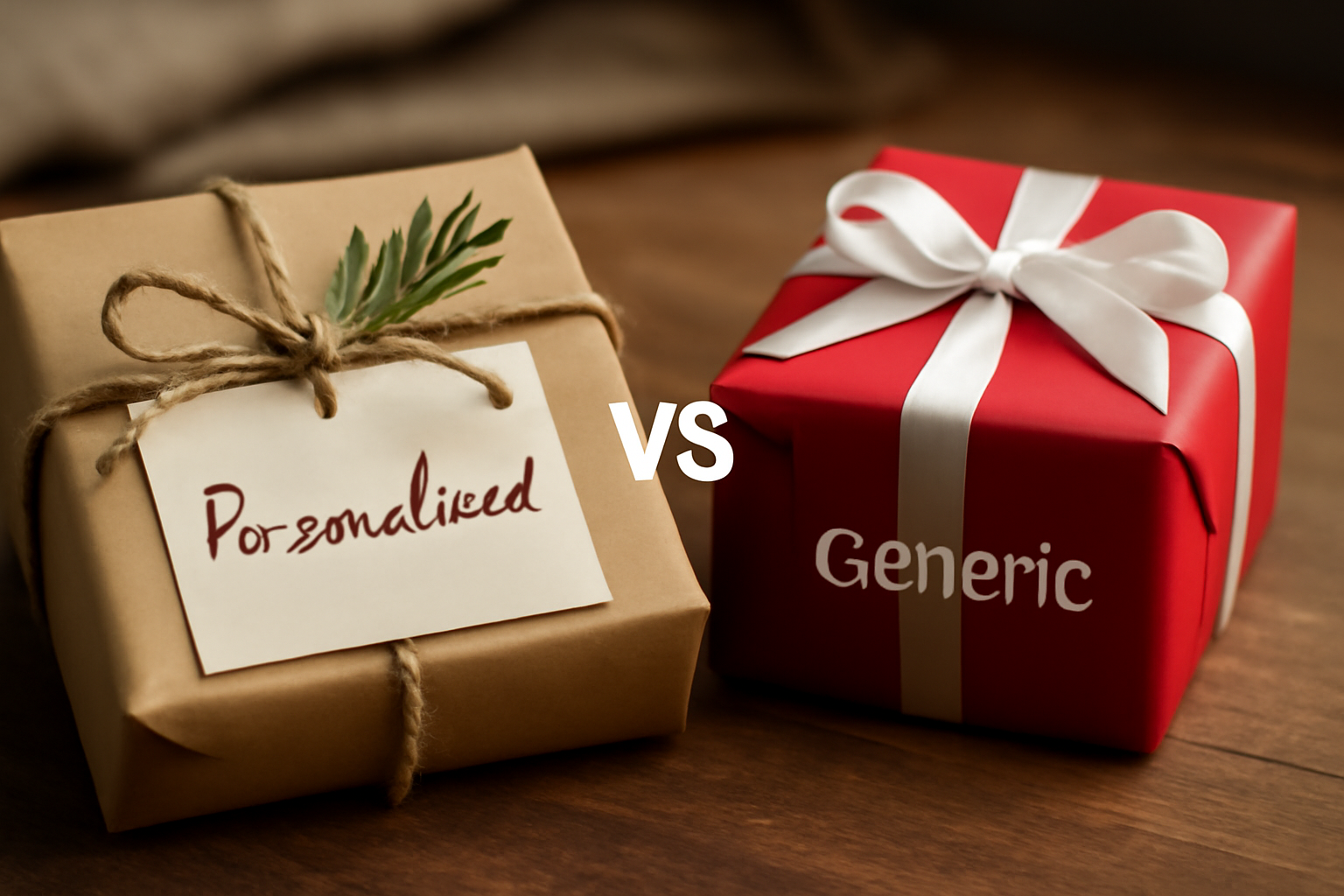
When it comes to giving gifts, the choice between personalized gifts and generic gifts can significantly impact the recipient's experience. Personalized gifts carry a unique touch that often resonates deeply with the recipient, while generic gifts can serve a practical purpose but may lack emotional connection.
In this guide, we'll explore the differences between personalized gifts and generic gifts, highlighting their benefits and drawbacks. By the end, you'll have a clearer understanding of which option might be best suited for your gifting needs, especially with occasions like Mother's Day just around the corner.
Table of Contents
Understanding Personalized Gifts
Personalized gifts are those that have been customized or tailored to reflect the individual tastes and preferences of the recipient. This can range from engraved jewelry to custom artwork, and even items like a sentimental platter showcasing family names. Here are some key aspects of personalized gifts:
Emotional Value
One of the most significant advantages of personalized gifts is the emotional value they carry. A gift that reflects a personal connection often leaves a lasting impression and shows that you put thought into the selection process. For instance, consider a custom-made photo book filled with memories shared between you and the recipient. This not only serves as a gift but also as a cherished keepsake that can be revisited time and again. choosing unique gifts.
To enhance the emotional impact of your gift, think about including a handwritten note or a personal message that elaborates on why you chose that particular item. This small addition can elevate the gift from a mere object to a heartfelt expression of love and appreciation.
Variety of Options
From clothing to home décor, the options for personalized gifts are virtually limitless. For instance, you can give a decorative platter for family gatherings or a meaningful garden platter for grandma, showcasing your creativity and thoughtfulness. Here's a checklist of personalized gift ideas across various categories:
- Clothing: Custom t-shirts with inside jokes, embroidered hoodies with initials, or personalized baby onesies.
- Kitchenware: Engraved cutting boards, custom mugs with family photos, or personalized aprons for the chef in your life.
- Wall Art: Canvas prints of family portraits, custom maps of significant locations, or framed quotes that resonate with the recipient.
- Home & Living: Personalized throw pillows, custom blankets with names, or unique coasters featuring family photos.
When selecting a personalized gift, consider the recipient's interests and hobbies. For example, if they love gardening, a custom garden sign with their name could be a delightful surprise. Additionally, make sure to check the quality of the personalization; a well-crafted item can make all the difference in how the gift is perceived.
Common Mistakes to Avoid
While personalized gifts can be incredibly meaningful, there are some common pitfalls to avoid to ensure your gift is well-received:
- Not Considering the Recipient's Taste: Make sure the personalization aligns with what the recipient would appreciate. A quirky design may not be suitable for someone with a more classic style.
- Over-Personalizing: Sometimes less is more. A simple monogram may be more elegant than a full name and date, depending on the item.
- Ignoring Delivery Times: Personalized items often require additional time for production. Ensure you order well in advance of the occasion to avoid disappointment.
- Forgetting About Quality: Always choose high-quality materials for personalized gifts. A beautifully made item will be cherished, while a poorly crafted one may end up forgotten.
By understanding the emotional value, variety of options, and common mistakes, you can make informed decisions when selecting personalized gifts that will truly resonate with your loved ones.
Exploring Generic Gifts
On the flip side, generic gifts are those that are mass-produced and not tailored to the recipient. These can include items like gift cards, candles, or standard kitchen gadgets. Let's delve into the characteristics of generic gifts:
Practicality
Generic gifts often serve a practical purpose and can be useful in everyday life. They are easy to find and can suit a wide range of recipients, making them a safe choice when you're unsure of what to give. For instance, a set of kitchen utensils or a cozy blanket can be appreciated by anyone, regardless of their personal tastes. Here are some points to consider:
- Versatility: Items like mugs or notebooks can be used by people of all ages and backgrounds.
- Functionality: Consider gifts that serve a specific function, such as a portable phone charger or a water bottle.
- Accessibility: Generic gifts are typically available at most retail stores, making them easy to purchase on short notice.
Cost-Effectiveness
In many cases, generic gifts are more budget-friendly than personalized options. They can be ideal for last-minute purchases or when you have a larger group of people to buy for, such as during family gatherings. Here's a deeper look into the cost-effectiveness of generic gifts:
- Bulk Buying: Many generic gifts can be bought in bulk, allowing you to save money. For example, purchasing a pack of candles or assorted gift cards can lower the overall cost.
- Sales and Discounts: Generic items often go on sale, especially during holidays. Keeping an eye out for these deals can help you score great gifts without breaking the bank.
- Budgeting: Setting a budget for generic gifts can help you manage your finances better, especially when buying for multiple people.
Common Mistakes When Choosing Generic Gifts
While generic gifts can be a practical and cost-effective choice, there are common pitfalls to avoid:
- Choosing the Most Common Items: Opting for overly common gifts, like plain socks or generic gift cards, can come off as thoughtless. Aim for items that are still useful but have a bit more character.
- Ignoring the Recipient's Interests: Just because a gift is practical doesn't mean it will be appreciated. Consider the recipient's hobbies and preferences. A gardening tool set for a plant lover, for example, is a much better choice than a generic kitchen gadget.
- Overlooking Presentation: Generic gifts can sometimes feel less special due to their mass-produced nature. Invest a little time in wrapping or presenting the gift nicely to add a personal touch.
Examples of Popular Generic Gifts
Here are some popular generic gifts that are widely appreciated:
- Gift Cards: Always a safe bet, allowing recipients to choose what they truly want.
- Candles: Scented or decorative candles can brighten up any space and are generally well-received.
- Kitchen Gadgets: Items like peelers, spatulas, or mixing bowls are practical and can be used in any kitchen.
- Books: While not entirely generic, a bestselling novel or a popular cookbook can cater to a wide audience.
Conclusion
While generic gifts may lack the personal touch of customized items, they serve a purpose and can be a great choice in many situations. By considering practicality, cost-effectiveness, and the recipient's interests, you can select a generic gift that is thoughtful and appreciated. Remember, it's the thought that counts, even if the gift itself isn't personalized!
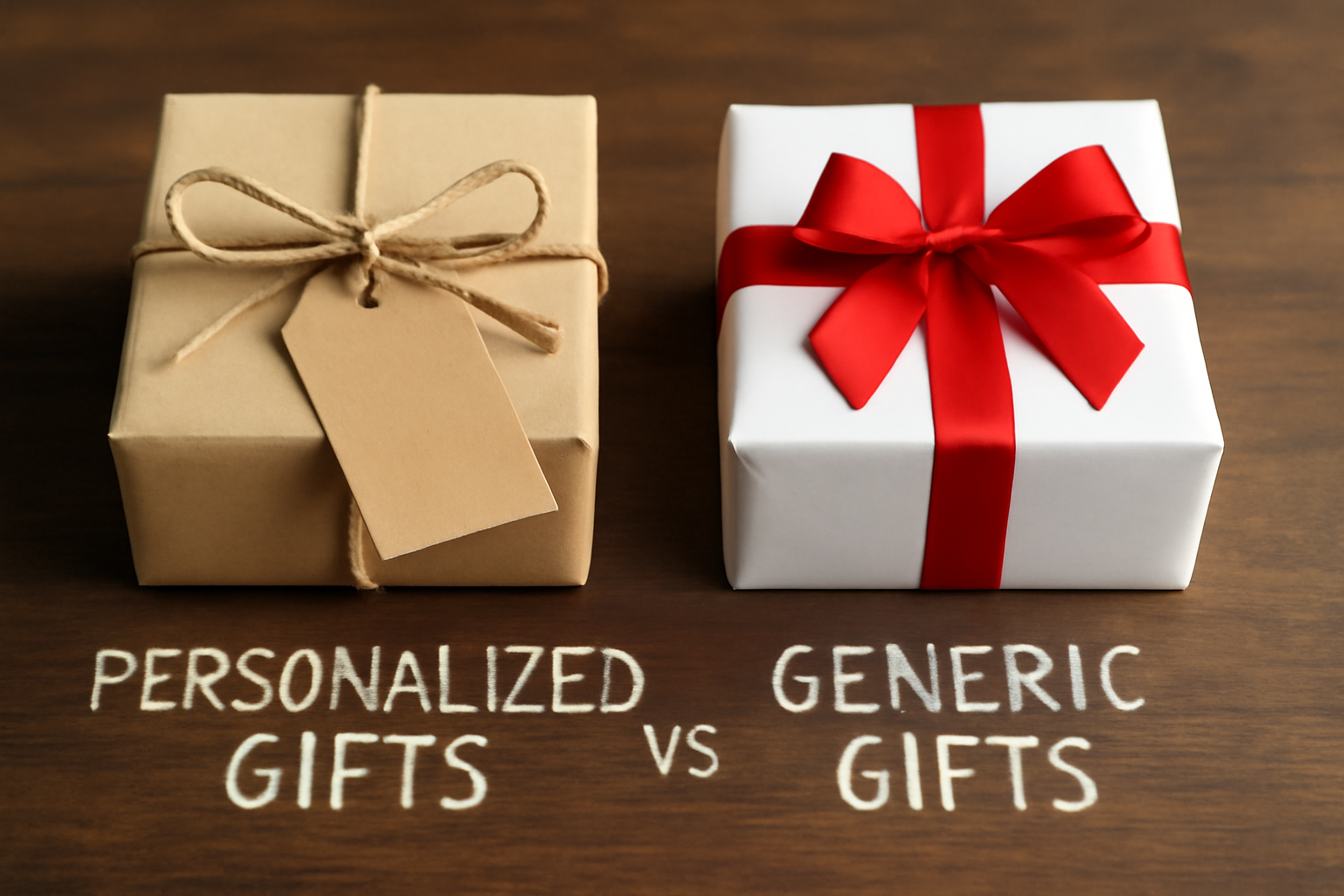
Comparative Table: Personalized Gifts vs Generic Gifts
| Feature | Personalized Gifts | Generic Gifts |
|---|---|---|
| Emotional Impact | High - Reflects personal connection, often evoking cherished memories. For example, a custom photo book can bring tears of joy as it showcases shared experiences. | Low - Often lacks personal touch, making them forgettable. A generic gift card might be useful, but it rarely sparks excitement or gratitude. |
| Variety | Extensive - Customized options available, ranging from engraved jewelry to monogrammed kitchenware. You can tailor gifts to fit the recipient's personality and interests, ensuring uniqueness. | Limited - Standardized choices that may not cater to individual tastes. A typical gift set might include a candle and a mug, which can feel impersonal. |
| Cost | Typically higher due to customization, design, and production processes. However, consider the value of creating lasting memories versus a one-size-fits-all approach. | More budget-friendly, appealing for quick purchases. While they save money, they may not leave a lasting impression. |
| Ideal Occasions | Special occasions, meaningful events such as birthdays, anniversaries, or graduations. Personalized gifts shine when celebrating milestones, making them memorable. | Casual gifting, last-minute needs, such as a generic birthday card or a box of chocolates, which might feel rushed and less thoughtful. |
| Time Needed | More time for customization, requiring planning and creativity. Allow for extra time when ordering personalized gifts, especially during peak seasons, to ensure timely delivery. | Quick and easy to purchase, suitable for last-minute decisions. A quick trip to a local store can yield a generic gift in minutes. |
Common Mistakes When Choosing Gifts
- Overlooking Personal Preferences: Failing to consider the recipient's interests can lead to a mismatch. Always think about what they love.
- Ignoring the Occasion: Not aligning the gift with the occasion can diminish its impact. A humorous gift at a serious event may not be well-received.
- Rushing the Decision: Choosing a gift in haste can result in a generic option. Take the time to find something meaningful.
Tips for Selecting the Perfect Personalized Gift
- Know Your Recipient: Gather insights about their hobbies, preferences, and style. This will guide you in selecting a gift they'll cherish.
- Consider Customization Options: Explore various ways to personalize, such as names, dates, or special messages that resonate with the recipient.
- Plan Ahead: Factor in production and shipping time when ordering personalized gifts, especially during holidays.
- Set a Budget: Determine how much you're willing to spend on a personalized gift and explore options within that range.
Trade-offs Between Personalized and Generic Gifts
Choosing between personalized and generic gifts often involves weighing various trade-offs. Here are some considerations to keep in mind:
Time and Effort
Personalized gifts typically require more time and effort to plan and execute. If you're short on time, you might lean toward generic gifts. However, if you have a little more time to spare, the emotional payoff of a personalized option can be worth it. Here are some steps to help you decide:
- Assess Your Schedule: Look at your calendar. If a special occasion is approaching, consider how much time you realistically have to prepare a personalized gift.
- Research Options: Spend some time exploring different personalized gift ideas that resonate with the recipient. Websites like CucamongaInk offer a variety of options that can spark inspiration.
- Plan Ahead: If you opt for a personalized gift, allow ample time for design, production, and shipping. A good rule of thumb is to start the process at least a month in advance.
- Evaluate Your Skills: If you're crafting a personalized gift yourself, assess your skills. Do you have the materials and expertise to create something special, or would it be better to purchase a customized item?
While personalized gifts may take more time, the joy they bring can often outweigh the effort involved. Remember, a little extra work can lead to a lot of smiles!
Recipient Preferences
Consider the recipient's preferences. Some people appreciate the thoughtfulness behind personalized gifts, while others may prefer the simplicity and utility of generic gifts. Tailoring your choice to their personality can enhance the gifting experience. Here's how to gauge their preferences:
- Know Their Interests: Pay attention to what the recipient enjoys. Do they have hobbies or collections? Personalized gifts that align with their interests can show that you truly understand them.
- Ask Subtle Questions: If you're unsure, casually ask the recipient about their thoughts on gifts. Do they have a favorite gift they've received in the past? This can provide insight into whether they value personalization.
- Consider Their Lifestyle: Think about the recipient's lifestyle. A busy professional might appreciate a practical gift, while a sentimental friend may cherish a personalized keepsake. Matching the gift to their daily life can enhance its value.
- Review Past Gifts: Reflect on gifts you've given or received in the past. What was memorable? This can help you identify whether personalized or generic gifts have been more appreciated in your circle.
Ultimately, understanding the recipient's preferences can guide you in making a thoughtful choice that they'll treasure, whether it's personalized or generic.
Cost Considerations
Another critical aspect is the cost associated with personalized versus generic gifts. Personalized gifts can sometimes be pricier due to customization, but they can also offer more value in terms of emotional connection. Here are some cost-related factors to consider:
- Budget Planning: Determine your budget before shopping. Personalized gifts can range from affordable to extravagant, so knowing your limits can help narrow your options.
- Compare Prices: Look at various retailers for similar personalized items. Some may offer discounts or promotions that can make a personalized gift more affordable.
- Long-Term Value: Consider the long-term value of the gift. A personalized item may be kept for years, while a generic gift might be used once and forgotten. Sometimes spending a little more can result in a cherished memory.
- DIY Options: If you're crafty, consider making a personalized gift yourself. This can be a cost-effective way to add a personal touch without breaking the bank.
Balancing cost with the significance of the gift can help you make a decision that feels right for both your wallet and the recipient's heart.
Memorability Factor
Memorability is another crucial trade-off. Personalized gifts often leave a lasting impression, while generic gifts may fade from memory. Here's how to evaluate this factor:
- Unique Touch: Personalized gifts often come with a unique touch that generic gifts lack. Think about how a custom message or design can make a gift unforgettable.
- Storytelling Potential: A personalized gift can tell a story or commemorate a special moment, making it more memorable. Consider gifts that can encapsulate shared experiences or inside jokes.
- Emotional Connection: Gifts that reflect the recipient's personality or interests can evoke stronger emotional responses. The more a gift resonates with someone, the more likely they are to remember it.
- Future Reflections: Think about how the gift will be perceived in the future. Will it still hold meaning years down the line? Personalized gifts often carry sentimental value that can grow over time.
Ultimately, the memorability of a gift can enhance the overall gifting experience and strengthen your relationship with the recipient.
Practicality vs. Sentimentality
Lastly, consider the balance between practicality and sentimentality. While personalized gifts can be deeply sentimental, generic gifts often serve practical purposes. Here's how to find the right balance:
- Assess Daily Needs: Think about what the recipient needs in their daily life. A practical gift that meets a need can be just as meaningful as a sentimental one.
- Combine Elements: Consider gifts that blend practicality with personalization. For instance, a customized mug or a monogrammed tote bag offers utility and a personal touch.
- Think Long-Term: Consider whether the gift will be used or displayed long-term. Practical gifts may get more use, but personalized gifts can become treasured keepsakes.
- Evaluate Context: Context matters! A personalized gift may be perfect for a milestone occasion, while a generic gift might be ideal for a casual gathering.
Finding the right equilibrium between practicality and sentimentality can help ensure that your gift is both appreciated and useful, making it a win-win situation.
Which Option Fits You?
Understanding your gifting scenario can help you decide between personalized and generic gifts. Here are a few common scenarios:
Scenario 1: A Celebratory Occasion
If you're celebrating a milestone, such as a birthday or anniversary, personalized gifts often shine. A custom platter with grandchildren names could be an excellent gift for a grandmother, showcasing the love of her family.
Scenario 2: Last-Minute Gifting
When you're in a pinch, generic gifts can rescue you from a last-minute dilemma. Items like gift cards or candles make for easy, practical choices when you're short on time.
Scenario 3: Group Gifts
For occasions like family reunions or group events, consider a collective personalized gift. A decorative platter for family gatherings can serve as a wonderful keepsake, while still being practical for all to enjoy.
Scenario 4: Meaningful Remembrances
When looking to create lasting memories, personalized gifts are the way to go. They allow you to convey sentiments that generic gifts simply cannot. A heartfelt message engraved on a gift can turn an ordinary item into an extraordinary memory.
Conclusion: Making the Right Choice
In conclusion, the choice between personalized gifts and generic gifts ultimately depends on the occasion, the recipient, and your gifting goals. While personalized gifts can create lasting memories and emotional connections, generic gifts offer practicality and convenience. Consider the specific context and the preferences of the recipient to make the most meaningful choice possible.
Steps to Choose the Right Gift
- Identify the Occasion: Consider whether it's a birthday, anniversary, holiday, or a special milestone. Each occasion has its own gifting etiquette and expectations.
- Know Your Recipient: Think about their interests, hobbies, and personality. Are they sentimental or pragmatic? This will help guide your decision.
- Set a Budget: Determine how much you're willing to spend. Personalized gifts can sometimes be more expensive due to customization, so factor this into your decision.
- Consider Practicality: Ask yourself if the recipient would appreciate a gift they can use regularly or one that holds sentimental value. A blend of both can also be a great option.
- Evaluate the Impact: Reflect on how each type of gift might make the recipient feel. Personalized gifts can evoke stronger emotions, while generic gifts might be more suitable for casual acquaintances.
Examples of Perfect Scenarios
- Personalized Gift: A custom photo album for a wedding anniversary, showcasing cherished moments together, is a heartfelt way to celebrate love.
- Generic Gift: A high-quality coffee maker for a friend who loves coffee but doesn't have the time to shop for one themselves.
- Personalized Gift: A monogrammed robe for a new homeowner, making their space feel more personal and cozy.
- Generic Gift: A gift card to a favorite store, allowing the recipient to choose what they really want or need.
Common Mistakes to Avoid
- Ignoring Preferences: Don't assume you know what the recipient will like. Always consider their tastes and preferences, especially when choosing personalized gifts.
- Overlooking the Occasion: A personalized gift may not be suitable for every occasion, such as a casual office party. In such cases, a generic gift might be more appropriate.
- Choosing Generic Gifts Out of Convenience: While convenience is tempting, ensure that the gift still reflects thoughtfulness. A rushed generic gift can come across as impersonal.
- Forgetting About Presentation: Whether you choose personalized or generic gifts, the way you present the gift can enhance its impact. Take the time to wrap it nicely or add a heartfelt note.
Final Thoughts
Ultimately, the best gift is one that resonates with the recipient. By weighing the emotional value of personalized gifts against the practicality of generic options, you can make a choice that reflects your relationship and the occasion. Remember, a thoughtful gift-no matter its type-can strengthen bonds and create lasting memories.


